
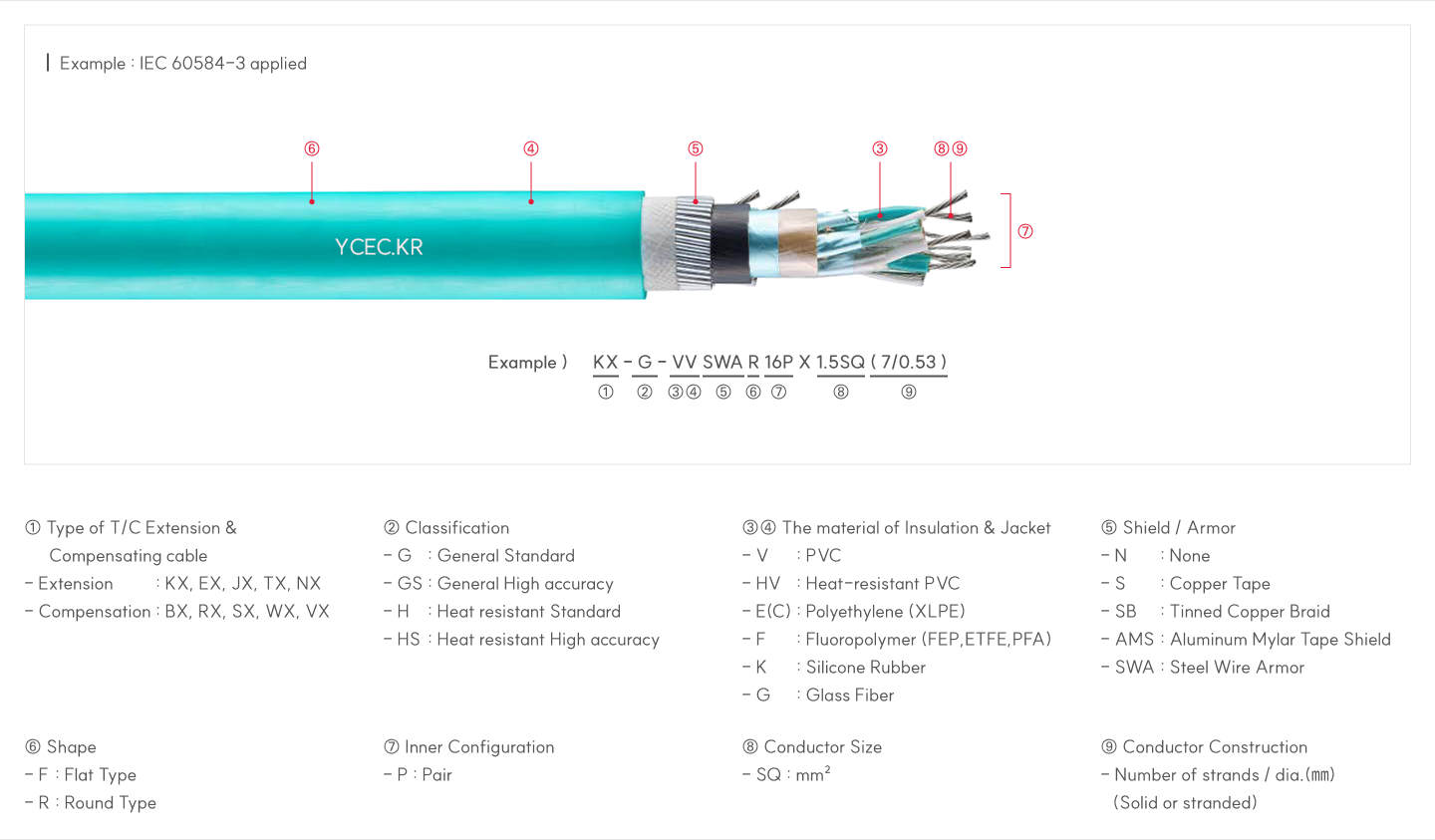
보상도선 소개
What is T/C Extension and Compensating wire?
열전대에 의한 온도 측정 방법에 사용되는 특수 전선으로써 열전대와 동일 재질로 된 도선에 의해서 계측기 단자까지 연장시켜 사용하는 것이 Extension Wire이다.
이 경우 열전대의 재료가 고가이기 때문에 길게 사용하기 위해서는 많은 비용이 필요하고, 경로에 유도 및 그 밖의 장애가 있을 경우 정밀도가 떨어지는 문제가 있다.
이에 평상시 온도를 포함한 온도 범위에 있어서 열전대와 같은 열기전력 특성을 갖고 있는 상대적으로 저렴한 2개 종류의 도체를 한 쌍으로 해서 절연 및 각종 피복을 한 것이 Compensating Wire이다
보상 도선(Extension & Compensating Wire)은 열전대를 연장한 것과 같은 동일한
효과로 온도를 보상할 수 있고, 사용 환경 주변 조건에 따라 저온용, 고온용, 내습용, 내유용, 내 굴곡용 등의
복합 조건에 맞추어 절연 및 피복재료를 바꾸어
경로의 여러 가지 장애를 방지하고, 정확한 온도를 측정할 수 있게 한다.
|
사용 열전대의 기호와 재질 Code and Material of Thermocouple wire |
보상도선의 종류와 구분 Kinds and classes of Thermocouple extension wire |
보상도선 도체의 사용온도와 오차 | ||||||||
|---|---|---|---|---|---|---|---|---|---|---|
| KS C 1609 | ISA (ANSI) MC96.1 (ASTM E230) |
IEC 60584-3 | ||||||||
| 기호Symbols | 구분 Classification | 열전대와 접속점의 온도 Temp. Range (°C) | 허용오차Limits of Error (°C) | 열전대와 접속점의 온도Temp. Range (°C) | 허용오차Limits of Error (°C) | 열전대와 접속점의 온도Temp. Range (°C) | 허용오차Limits of Error (°C) | |||
| K | KX-G | 일반용 보통급 | -20 ~ 150 | ±2.5 | 0 ~ 200 | ±2.2 | -25 ~ 200 | ±2.5 | ||
| KX-GS | 일반용 정밀급 | ±1.5 | - | ±1.5 | ||||||
| KX-H | 내열용 보통급 | ±2.5 | ±2.2 | ±2.5 | ||||||
| KX-HS | 내열용 정밀급 | ±1.5 | - | ±1.5 | ||||||
| WX-G | 일반용 보통급 | ±3.0 | - | 0 ~ 200 | ±2.5 | |||||
| WX-H | 내열용 보통급 | |||||||||
| VX-G | 일반용 보통급 | -20 ~ 100 | ±2.5 | - | - | 0 ~ 100 | ±2.5 | |||
| E | EX-G | 일반용 보통급 | -20 ~ 150 | ±2.5 | 0 ~ 200 | ±1.7 | -25 ~ 200 | ±2.5 | ||
| EX-H | 내열용 보통급 | |||||||||
| J | JX-G | 일반용 보통급 | -20 ~ 150 | ±2.5 | 0 ~ 200 | ±2.2 | -25 ~ 200 | ±2.5 | ||
| JX-H | 내열용 보통급 | |||||||||
| T | TX-G | 일반용 보통급 | -20 ~ 150 | ±2.0 | 0 ~ 200 | ±1.0 | -25 ~ 100 | ±1.0 | ||
| TX-GS | 일반용 정밀급 | ±1.0 | ±0.5 | ±0.5 | ||||||
| TX-H | 내열용 보통급 | ±2.0 | ±1.0 | ±1.0 | ||||||
| TX-HS | 내열용 정밀급 | ±1.0 | ±0.5 | ±0.5 | ||||||
| R | RX-G | 일반용 보통급 | 0 ~ 150 | +3 -7 |
0 ~ 200 | ±0.057mv (±5℃) |
0 ~ 200 | ±5.0 | ||
| RX-H | 내열용 보통급 | |||||||||
| S | SX-G | 일반용 보통급 | 0 ~ 150 | +3 -7 |
0 ~ 200 | ±0.057mv (±5℃) |
0 ~ 200 | ±5.0 | ||
| SX-H | 내열용 보통급 | |||||||||
| B | BX-G | 일반용 보통급 | 0 ~ 100 | - | 0 ~ 100 | ±0.000mv (0℃) ±0.033mv (-3.7℃) |
0 ~ 100 | ±3.5 | ||
| N | NX-G | 일반용 보통급 | - | - | 0 ~ 200 | ±2.2 | 0 ~ 200 | ±2.5 | ||
| NX-H | 내열용 보통급 | |||||||||
| C | CX-G | 일반용 보통급 | - | - | 0 ~ 200 | ±4.4 | - | - | ||
| CX-H | 내열용 보통급 | |||||||||
* IEC60584-3 : Tolerance Class 1 : ±1.5℃
Class 2 : ±2.5℃
Data Sheet
| 종류 | 기호 | 재질 | 한국 KS C 1609 | 미국ISA(ANSI)-MC96.1 (ASTM E230) |
국제 표준규격 IEC 60584-3 | |
|---|---|---|---|---|---|---|
| Positive (+) | Negative (-) |

|

|

|
||
| K | KX | Chromel | Alumel |
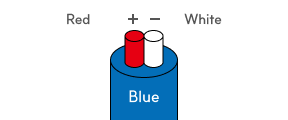
|
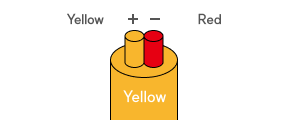
|

|
| WX (KCA) |
Iron | Constantan |
|
- |
|
|
| VX (KCB) |
Copper | Constantan |
|
- |
|
|
| E | EX | Chromel | Constantan |
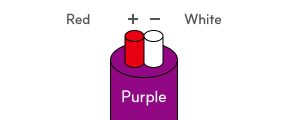
|
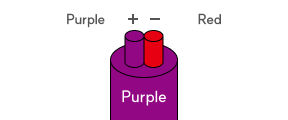
|
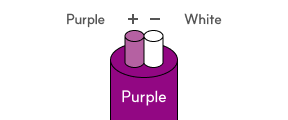
|
| J | JX | Iron | Constantan |
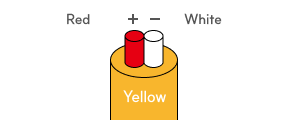
|

|

|
| T | TX | Copper | Constantan |
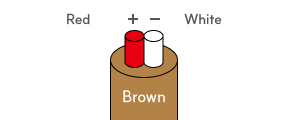
|
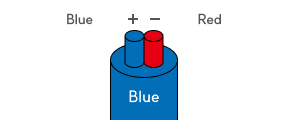
|
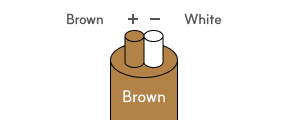
|
| R | RX (RCB) |
Copper | Copper Nickel Alloy |

|
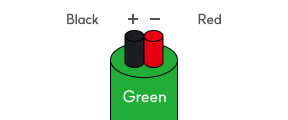
|

|
| S | SX (SCB) |
Copper | Copper Nickel Alloy |
|
|
|
| B | BX (BC) |
Copper | Copper |
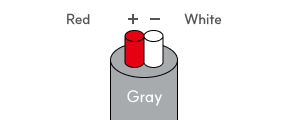
|
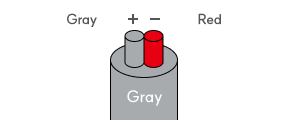
|
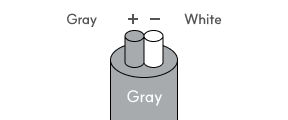
|
| N | NX | Nickel Chromium Silicon (Ni-Cr-Si Alloy) |
Nickel Silicon | - |
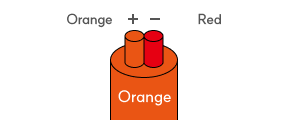
|
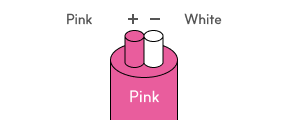
|
| C | CX (CC) |
CPC | CPC (CC) |
- |
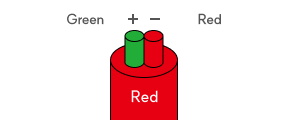
|
- |
* JIS C 1610 / 2014년도 부터 IEC-60584-3으로 변경